Real Sichuan Flavour Doesn’t Have to Come With Punishing Heat
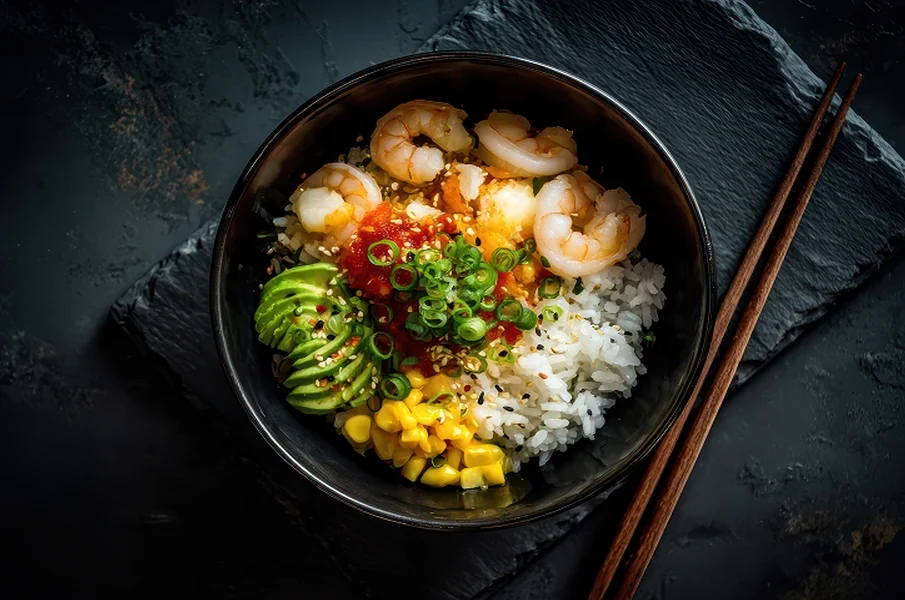
Image Recommendation: A chef plating a Sichuan-style donburi bowl, precise garnishing, open kitchen visible behind.
Ask most people to describe Sichuan food and the first word that comes up is usually “spicy,” often followed by some version of a warning. That reputation isn’t bad exactly; chilli and Sichuan peppercorn are central to the cuisine, but it flattens something considerably more interesting underneath the heat: a genuine, layered depth of flavour that doesn’t actually require punishing intensity to come through.
Two Different Ideas of What Sichuan Cooking Is Actually For
Laid out side by side, the difference in approach becomes considerably clearer than “spicy versus not spicy” suggests:
| Heat-Forward Approach | Depth-First Approach | |
| What’s prioritised | Maximum chilli and peppercorn intensity | Balance between numbing, savoury, and aromatic notes |
| What’s harder to get right | Straightforward to scale up | Requires real skill to preserve character at a gentler heat |
| Who it tends to suit | Diners specifically chasing intensity | A far wider range of palates, without losing the dish’s identity |
Neither approach is more authentically Sichuan than the other. They’re simply prioritising different things, and the second is considerably harder to execute well than it might first appear.
Why Turning Down the Heat Is Harder Than Turning It Up
Cranking up chilli and peppercorn is a fairly blunt lever, add more, get more intensity. Pulling that intensity back while keeping the dish’s actual character intact is a considerably more delicate balance, since the numbing sensation, the savoury depth, and the aromatic complexity all have to be recalibrated together rather than simply diluted proportionally. Get that balance wrong, and a dish stops tasting like restrained Sichuan food and starts tasting like a bland approximation of it.
Why This Distinction Actually Matters When Searching for the Best
Chasing pure heat is a fairly narrow way to judge Sichuan cooking, and it overlooks the considerably harder skill of preserving genuine depth at an accessible spice level. Among discussions of the best Sichuan restaurant in Singapore, the more interesting question isn’t simply which place is spiciest; it’s which place manages to keep the dish’s actual character intact once the heat has been deliberately dialled back for a broader range of palates.
Why a Japanese Influence Changes More Than Just the Format
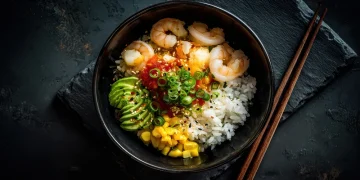
Applying a Japanese culinary lens to Sichuan cooking isn’t just about serving the dish over rice in a donburi bowl, it brings an entirely different set of instincts to how flavour gets built: precision, restraint, a real attentiveness to how individual components interact rather than simply layering on more intensity. That cross-cultural approach tends to produce something genuinely distinct, not a diluted version of Sichuan food, but a considered reinterpretation of it filtered through a different culinary discipline entirely.
Why This Kind of Fusion Earns a Place Among the Best Asian Options
A restaurant that genuinely blends two culinary traditions, rather than simply borrowing surface-level elements from each, tends to offer something a single-cuisine restaurant structurally can’t. Among conversations about the best Asian restaurant in Singapore, this kind of considered cross-cultural cooking deserves real consideration precisely because it isn’t just one cuisine dressed up as another; it’s a genuine hybrid built with intention on both sides.
Why the Spice-Level Assumption Is Worth Questioning
Assuming the best Sichuan food is automatically the spiciest sets up a fairly narrow standard, one that rewards intensity over the actual craft of building flavour. A kitchen willing to hold back on heat without losing the dish’s essential character is arguably taking the harder path, not the easier one, and that restraint deserves to be judged on its own terms rather than dismissed as a compromise.
The best bowl of Sichuan food isn’t necessarily the one that leaves you reaching for water. It’s the one where the heat, however much or little of it there is, was never actually the point, just one part of a much more carefully built whole.
Curious what genuine depth without punishing heat actually tastes like? Visit Chen’s and find the nearest outlet to try it for yourself.